Optimize Your Sales Funnel and Watch Your Business Soar to New Heights!

If youโ€™ve ever wondered why your website gets traffic but not enough sales, leads, or sign-ups, the answer almost always comes down to one critical piece of your marketing strategy: your sales funnel.

A sales funnel is more than just a buzzword. Itโ€™s the structured journey that guides visitors from first contact to becoming loyal customersโ€”and if itโ€™s not optimized, youโ€™re leaving money on the table.

The good news?
You donโ€™t need more traffic to grow your business. You need a better-optimized sales funnel.

In this guide, youโ€™ll learn:

  • What a sales funnel really is (and why most funnels fail)
  • How to optimize each stage for higher conversions
  • Proven strategies to turn visitors into subscribers and buyers
  • Tools and platforms that make funnel optimization easier
  • How to scale your funnel for long-term growth

By the end, youโ€™ll have a clear roadmap to optimize your sales funnel and unlock sustainable business growth.


What Is a Sales Funnel (and Why It Matters)?

A sales funnel represents the step-by-step journey a potential customer takes from discovering your brand to making a purchaseโ€”and beyond.

Itโ€™s called a โ€œfunnelโ€ because:

  • Many people enter at the top
  • Fewer move through each stage
  • Only a percentage convert at the bottom

A typical sales funnel includes four core stages:

  1. Awareness โ€“ People discover your brand
  2. Interest โ€“ They engage with your content
  3. Decision โ€“ They consider your offer
  4. Action โ€“ They convert (buy, subscribe, or sign up)

If any part of this journey is unclear, confusing, or misaligned, conversions suffer.

Thatโ€™s why sales funnel optimization is essentialโ€”not optional.


Why Most Sales Funnels Donโ€™t Convert

Before fixing your funnel, it helps to understand why most funnels fail in the first place.

Common Funnel Mistakes:

  • Driving traffic to the wrong pages
  • No clear call-to-action (CTA)
  • Asking for too much, too soon
  • Poor messaging that doesnโ€™t match user intent
  • No email follow-up system
  • Ignoring mobile optimization
  • No trust-building elements

An optimized funnel removes friction and builds momentum at every step.


Stage 1: Optimizing the Awareness Stage (Top of Funnel)

The top of your funnel is where first impressions are made.

Your goal here is not to sellโ€”itโ€™s to attract the right audience and earn attention.

Best Awareness-Stage Traffic Sources:

  • Blog content (SEO)
  • Social media
  • YouTube videos
  • Guest posts
  • Paid ads
  • Content syndication

How to Optimize Awareness Content

1. Focus on Search Intent
Your content should match what people are actively searching for:

  • โ€œHow to optimize a sales funnelโ€
  • โ€œWhy my website isnโ€™t convertingโ€
  • โ€œBest marketing funnel strategiesโ€

2. Create Value-Driven Content
Educational, actionable, and problem-solving content builds trust faster than promotional content.

3. Use Clear Content Upgrades
Every awareness-stage page should include a next stepโ€”not a hard sell.

Examples:

  • Free checklist
  • Free guide
  • Free email course
  • Free webinar

๐Ÿ‘‰ Affiliate CTA (AWeber)
To capture leads effectively, you need a reliable email marketing platform.

AWeber makes it easy to create signup forms, landing pages, and automated follow-upsโ€”perfect for funnel optimization.

๐Ÿ‘‰ Start building your email list with AWeber and turn traffic into subscribers automatically.


Stage 2: Optimizing the Interest Stage (Middle of Funnel)

At this stage, visitors know who you areโ€”but theyโ€™re not ready to buy yet.

Your job is to educate, nurture, and position yourself as the solution.

Key Goals of the Interest Stage:

  • Build trust
  • Establish authority
  • Answer objections
  • Increase engagement

High-Converting Middle-of-Funnel Assets:

  • Email sequences
  • Case studies
  • How-to guides
  • Comparison posts
  • Webinars
  • Video tutorials

Email Marketing Is Non-Negotiable

If youโ€™re serious about optimizing your sales funnel, email marketing must be part of your strategy.

Why?

  • Email lets you follow up automatically
  • You control the audience
  • It nurtures leads over time
  • It increases lifetime customer value

๐Ÿ‘‰ Affiliate CTA (AWeber)
With AWeber, you can:

  • Set up automated email sequences
  • Segment subscribers by interest
  • Deliver targeted messages that convert

๐Ÿ‘‰ Turn one-time visitors into long-term subscribers with AWeberโ€™s automation tools.


Stage 3: Optimizing the Decision Stage

Now your audience is interestedโ€”but theyโ€™re evaluating options.

This is where clarity beats cleverness.

How to Optimize the Decision Stage

1. Address Objections Head-On
Common objections include:

  • Price
  • Time
  • Complexity
  • Trust
  • Risk

Your content should proactively remove these concerns.

2. Use Social Proof

  • Testimonials
  • Reviews
  • Case studies
  • Results screenshots

3. Comparison Content Converts
Posts like:

  • โ€œAWeber vs Mailchimpโ€
  • โ€œShopify vs WooCommerceโ€
  • โ€œBest tools for online businessโ€

These work incredibly well at this stage.

๐Ÿ‘‰ Affiliate CTA (Shopify)
If your funnel includes selling physical or digital products, Shopify is one of the most powerful platforms available.

With Shopify, you can:

  • Create high-converting product pages
  • Manage payments and checkouts
  • Integrate with email and ad platforms

๐Ÿ‘‰ Launch or scale your online store with Shopify and turn funnel traffic into sales.


Stage 4: Optimizing the Action Stage (Bottom of Funnel)

This is where conversions happenโ€”or donโ€™t.

Even small improvements here can dramatically increase revenue.

How to Improve Conversion Rates

1. Simplify the Checkout Process

  • Fewer form fields
  • Clear pricing
  • Transparent policies
  • Mobile-friendly design

2. Use Strong CTAs
Your CTA should be:

  • Clear
  • Benefit-focused
  • Action-oriented

Examples:

  • โ€œGet Instant Accessโ€
  • โ€œStart My Free Trialโ€
  • โ€œDownload Nowโ€
  • โ€œJoin Todayโ€

3. Reduce Risk

  • Money-back guarantees
  • Free trials
  • Secure checkout badges

๐Ÿ‘‰ Affiliate CTA (Fiverr)
Not everyone has the skills to optimize funnels, landing pages, or copywritingโ€”and thatโ€™s okay.

Fiverr gives you instant access to freelancers who specialize in:

  • Funnel design
  • Landing page optimization
  • Copywriting
  • Email marketing
  • CRO audits

๐Ÿ‘‰ Hire affordable funnel experts on Fiverr and accelerate your results without the learning curve.


The Role of Landing Pages in Funnel Optimization

A landing page is often the single most important page in your funnel.

High-Converting Landing Page Elements:

  • Clear headline
  • One focused goal
  • Strong CTA
  • Benefit-driven copy
  • Visual hierarchy
  • Social proof

Avoid:

  • Too many links
  • Distracting navigation
  • Mixed messages

Each landing page should serve one purpose only.


Email Automation: The Engine of a Profitable Funnel

Manual follow-ups donโ€™t scale.

Automation does.

Examples of Automated Funnel Emails:

  • Welcome sequence
  • Educational series
  • Product launch emails
  • Abandoned cart follow-ups
  • Upsell sequences

๐Ÿ‘‰ Affiliate CTA (AWeber)
AWeberโ€™s automation features allow you to:

  • Trigger emails based on actions
  • Tag subscribers automatically
  • Deliver personalized content at scale

๐Ÿ‘‰ Build an automated sales funnel that works 24/7 with AWeber.


Upsells, Cross-Sells, and Funnel Scaling

Once someone buys from you, your job isnโ€™t doneโ€”itโ€™s just beginning.

Smart Funnel Expansion Ideas:

  • One-click upsells
  • Cross-sell related products
  • Memberships
  • Coaching or consulting
  • Affiliate offers

This is how businesses increase average order value without increasing traffic.


Tracking and Measuring Funnel Performance

You canโ€™t optimize what you donโ€™t measure.

Key Funnel Metrics:

  • Conversion rate
  • Click-through rate (CTR)
  • Cost per acquisition (CPA)
  • Email open and click rates
  • Average order value (AOV)
  • Customer lifetime value (CLV)

Use data to guide decisionsโ€”not guesswork.


Common Funnel Optimization Mistakes to Avoid

Even experienced marketers fall into these traps:

  • Sending traffic directly to sales pages
  • Ignoring mobile optimization
  • Overcomplicating funnels
  • No follow-up emails
  • Too many CTAs on one page
  • Not testing headlines and offers

Keep your funnel simple, focused, and intentional.


How to Optimize Your Sales Funnel Step-by-Step

Hereโ€™s a simple framework you can implement today:

  1. Audit your existing funnel
  2. Identify drop-off points
  3. Improve messaging and clarity
  4. Add lead capture opportunities
  5. Automate email follow-ups
  6. Test and refine continuously

Optimization is an ongoing processโ€”not a one-time task.


Tools That Make Funnel Optimization Easier

Hereโ€™s a quick stack that works well for bloggers and online entrepreneurs:

  • AWeber โ€“ Email marketing and automation
  • Shopify โ€“ E-commerce and checkout optimization
  • Fiverr โ€“ Funnel design and expert help
  • Analytics tools โ€“ Performance tracking
  • SEO tools โ€“ Traffic and keyword optimization

๐Ÿ‘‰ Using the right tools can dramatically reduce the learning curve and increase results.


Final Thoughts: Your Funnel Is Your Business

Traffic alone doesnโ€™t build a business.
Optimized funnels do.

When you optimize your sales funnel:

  • Conversions increase
  • Revenue becomes predictable
  • Growth becomes scalable
  • Marketing becomes efficient

Whether youโ€™re a blogger, affiliate marketer, or online business owner, your funnel is the backbone of everything you do.

Start optimizing todayโ€”and watch your business soar to new heights ๐Ÿš€


Unlock the Secrets to Skyrocketing Conversions: The Ultimate CRO Handbook for Your Websites!

https://usabilitygeek.com/wp-content/uploads/2012/09/Conversion-Rate-Optimization-Funnel-Web.jpg
https://www.slideteam.net/wp/wp-content/uploads/2024/01/Digital-Marketing-Conversion-Traffic-PPT-Template-1024x576.png
https://static.wingify.com/gcp/uploads/2019/12/Image-8-2-1024x559.png

If youโ€™re getting traffic but not seeing the sales, leads, or sign-ups you expected, youโ€™re not alone. Many website owners focus heavily on driving visitors but overlook the most profitable lever of all: conversion rate optimization (CRO).

CRO is the art and science of turning more of your existing visitors into customers, subscribers, or leadsโ€”without spending more money on ads or traffic. Even a small improvement in conversion rates can dramatically increase revenue over time.

This ultimate CRO handbook will walk you step by step through proven strategies, frameworks, tools, and real-world tactics you can apply to blogs, affiliate sites, eCommerce stores, and service websites. Whether youโ€™re just getting started or refining an existing funnel, this guide will help you unlock consistent, scalable growth.


What Is Conversion Rate Optimization (CRO)?

Conversion Rate Optimization is the process of improving your website so that a higher percentage of visitors complete a desired action. That action might be:

  • Buying a product
  • Joining your email list
  • Clicking an affiliate link
  • Booking a call
  • Downloading a lead magnet

Your conversion rate is calculated as:

Conversions รท Total Visitors ร— 100

If 100 people visit your page and 3 sign up, your conversion rate is 3%.

CRO is not about tricks or manipulationโ€”itโ€™s about understanding user behavior, reducing friction, and guiding visitors toward value-driven decisions.


Why CRO Matters More Than Ever

Traffic is expensive. Competition is fierce. Attention spans are shrinking.

Hereโ€™s why CRO should be a top priority:

1. You Make More Money Without More Traffic

Improving a conversion rate from 2% to 4% instantly doubles revenueโ€”without increasing ad spend or content production.

2. CRO Improves User Experience

Optimized sites are clearer, faster, and easier to use. Visitors win, and so do you.

3. CRO Compounds Over Time

Each improvement builds on the last, creating long-term gains rather than one-time wins.

4. CRO Makes Your Marketing Smarter

You stop guessing and start making decisions based on real data and behavior.


Understanding User Intent: The Foundation of CRO

Before changing headlines or button colors, you must understand why visitors came to your site.

User intent generally falls into three categories:

Informational Intent

Visitors want answers, tutorials, or education.

Example: โ€œWhat is conversion rate optimization?โ€

Navigational Intent

Visitors are looking for a specific brand, product, or page.

Example: โ€œOptimizely pricingโ€

Transactional Intent

Visitors are ready to buy or take action.

Example: โ€œBest CRO tools for eCommerceโ€

Your CRO strategy must match the intent of the page. Trying to sell aggressively on informational content often backfires. Instead, guide users naturally to the next logical step.


The CRO Framework: A Proven Step-By-Step Process

https://www.smartinsights.com/wp-content/uploads/2017/11/CRO.png
https://www.researchgate.net/publication/343235216/figure/fig6/AS%3A917895160811526%401595854668441/The-framework-of-Search-Engine-Optimization-SEO.ppm
https://marradata.ai/wp-content/uploads/2025/04/1718887734491.png

Successful CRO follows a structured process:

  1. Analyze data
  2. Identify friction points
  3. Form hypotheses
  4. Test changes
  5. Measure results
  6. Scale what works

Letโ€™s break this down.


Step 1: Analyze Your Website Data

Data reveals what users do, not what they say.

Key tools include:

  • Google Analytics โ€“ Track traffic, bounce rates, time on page, and conversion paths
  • Hotjar โ€“ Heatmaps, scroll tracking, and session recordings
  • Microsoft Clarity โ€“ Free session recordings and insights

Focus on:

  • Pages with high traffic but low conversions
  • High bounce rate pages
  • Drop-off points in funnels

These are your biggest opportunities.


Step 2: Identify Conversion Killers

Common CRO mistakes include:

Slow Page Speed

Every extra second of load time reduces conversions.

Fix: Compress images, use caching, and upgrade hosting.

Confusing Navigation

If visitors canโ€™t find what they want, they leave.

Fix: Simplify menus and remove unnecessary options.

Weak Messaging

Unclear headlines fail to communicate value.

Fix: Answer โ€œWhatโ€™s in it for me?โ€ immediately.

Too Many Choices

Choice overload leads to inaction.

Fix: One primary CTA per page.


Step 3: Craft High-Converting Headlines

Your headline is the most important element on the page.

Great headlines:

  • Are clear, not clever
  • Focus on outcomes, not features
  • Speak directly to pain points

Weak headline:
โ€œWelcome to Our Websiteโ€

Strong headline:
โ€œTurn More Visitors Into Customers Without Increasing Trafficโ€

Use subheadlines to reinforce value and reduce uncertainty.


Step 4: Optimize Calls-to-Action (CTAs)

https://blog.push.fm/wp-content/uploads/2022/03/Screen-Shot-2020-04-27-at-9.19.03-AM-min-1024x1024.png
https://blog.magezon.com/wp-content/uploads/2022/05/pagewix-example.png
https://unbounce.com/photos/cta-position-test.png

Your CTA should guide users effortlessly.

CTA Best Practices:

  • Use action-oriented language (โ€œGet,โ€ โ€œStart,โ€ โ€œDownloadโ€)
  • Highlight benefits (โ€œGet My Free Guideโ€)
  • Use contrasting colors
  • Place CTAs above the fold and throughout long pages

Bad CTA: โ€œSubmitโ€
Good CTA: โ€œGet My Free CRO Checklistโ€


Step 5: Landing Page Optimization That Converts

Landing pages should do one thing only.

Key Elements of High-Converting Landing Pages:

  • A clear headline
  • A single focused offer
  • Bullet points emphasizing benefits
  • Social proof
  • Minimal distractions

Remove navigation menus if possible. Every link is an exit opportunity.


Step 6: Build Trust With Social Proof

Trust removes hesitation.

Examples of effective social proof:

  • Testimonials
  • Reviews
  • Case studies
  • Subscriber counts
  • Logos of brands youโ€™ve worked with

Specific beats vague.

Weak: โ€œGreat service!โ€
Strong: โ€œWe increased conversions by 42% in 30 days.โ€


Step 7: Use A/B Testing to Remove Guesswork

https://images.squarespace-cdn.com/content/v1/5e22fb8d8524a16d5bd5683c/04750ddc-6ed4-417e-86d3-49ba5d418612/What%2Bis%2BA%2FB%2BTesting%2BExplanation%2BDefinition%2BExample%2BOptimization%2BUser%2BUX%2BResearch%2BSurvey
https://landingi.com/wp-content/uploads/2024/08/split_testing-optimized.webp
https://wisernotify.com/wp-content/uploads/2024/08/CRO-Testing-1.jpg

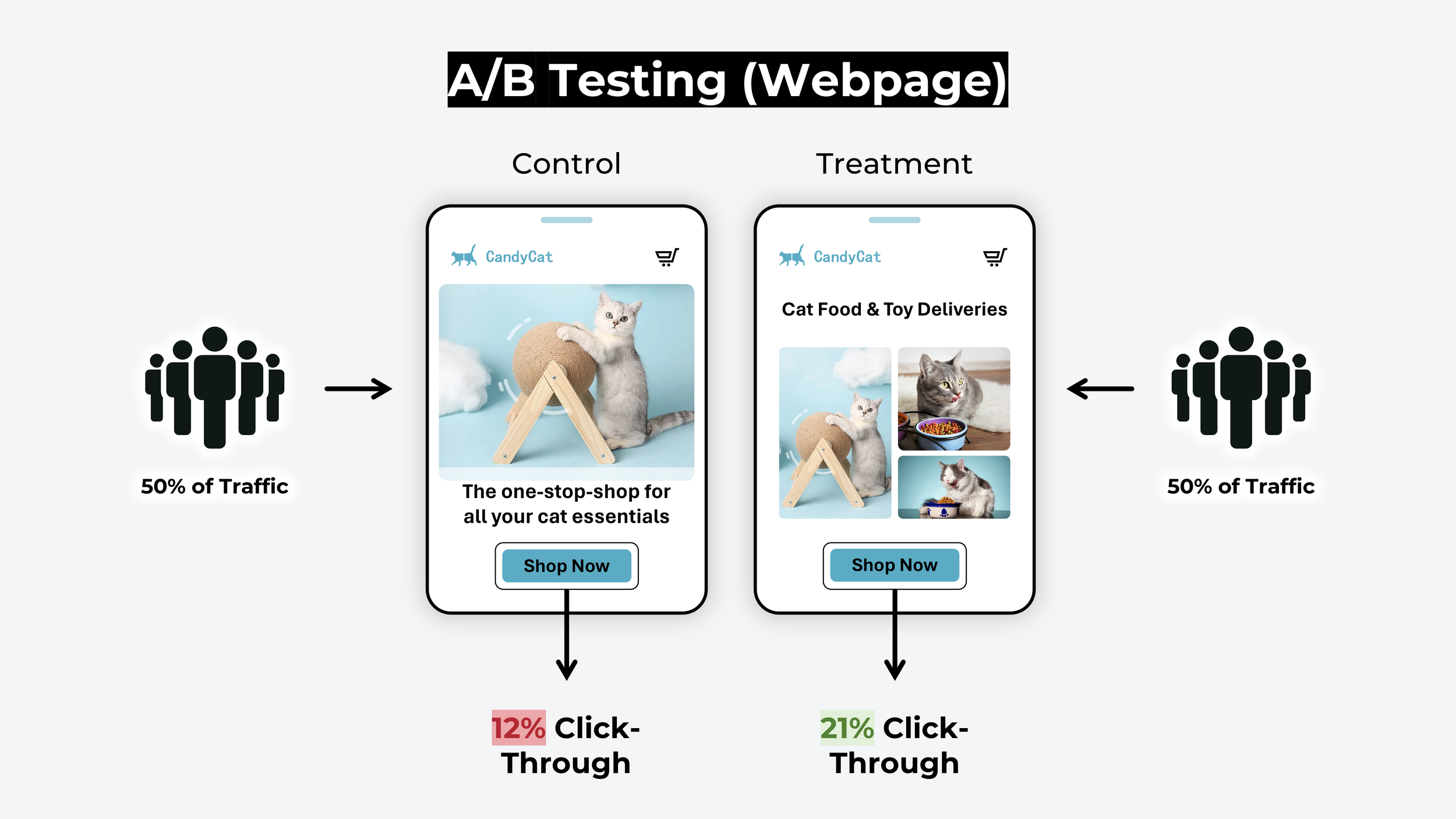
A/B testing compares two versions of a page to see which performs better.

Tools to consider:

  • Optimizely
  • VWO

Test one variable at a time:

  • Headlines
  • CTA text
  • Button colors
  • Page layout

Let dataโ€”not opinionsโ€”decide.


Step 8: Optimize Forms for Higher Completion Rates

Forms are friction points.

CRO Form Optimization Tips:

  • Ask for only essential information
  • Use inline validation
  • Break long forms into steps
  • Add privacy reassurance

Every field you remove increases completion rates.


Step 9: Mobile CRO Is Non-Negotiable

More than half of web traffic comes from mobile devices.

Mobile optimization tips:

  • Large, tappable buttons
  • Short paragraphs
  • Fast load times
  • Minimal pop-ups

Test your site on real devicesโ€”not just emulators.


Step 10: Personalization & Segmentation

Modern CRO isnโ€™t one-size-fits-all.

Personalization examples:

  • Showing different CTAs to new vs returning visitors
  • Tailoring offers by traffic source
  • Adjusting messaging based on behavior

Even basic personalization can significantly boost conversions.


CRO for Blogs and Affiliate Websites

CRO isnโ€™t just for eCommerce.

Blog CRO Strategies:

  • Content upgrades
  • Inline CTAs
  • Exit-intent offers
  • Strategic affiliate link placement

Focus on contextual relevance, not aggressive selling.


Common CRO Myths (That Cost You Money)

  • โŒ โ€œMore traffic fixes everythingโ€
  • โŒ โ€œCRO is only for big companiesโ€
  • โŒ โ€œDesign matters more than messagingโ€
  • โŒ โ€œOne test is enoughโ€

CRO is an ongoing process, not a one-time project.


How to Build a CRO Mindset

Winning with CRO means thinking long-term:

  • Test constantly
  • Listen to users
  • Track meaningful metrics
  • Optimize incrementally

Small improvements repeated consistently outperform big, sporadic changes.


Your CRO Action Plan (Start Today)

  1. Identify your top 3 traffic pages
  2. Clarify each pageโ€™s primary goal
  3. Improve headline clarity
  4. Strengthen one CTA
  5. Add one trust element
  6. Measure results for 30 days

Progress beats perfection.


Final Thoughts: CRO Is Your Competitive Advantage

Conversion rate optimization is the difference between struggling with traffic and scaling sustainably. When you understand your audience, remove friction, and test intelligently, your website becomes a powerful growth engine.

You donโ€™t need more visitorsโ€”you need better results from the visitors you already have.

Start optimizing today, and let your conversions do the heavy lifting. ๐Ÿš€


How to Use Lead Magnets to Grow Your Blog’s Subscriber List

Introduction: Understanding the Power of Lead Magnets

In the highly competitive world of blogging, growing your subscriber list is crucial for long-term success. One of the most effective strategies to achieve this is through the use of lead magnets. A lead magnet is an incentive offered to potential subscribers in exchange for their email address. It could be a free eBook, a checklist, a template, or any valuable resource that your audience finds useful. This article will explore how to effectively use lead magnets to grow your blog's subscriber list, including types of lead magnets, how to create them, and best practices for implementation.

Section 1: Why Lead Magnets Are Essential for Blog Growth

  • Building Trust and Authority: Lead magnets position you as an expert in your niche, offering something of value in exchange for contact information. This builds trust and credibility with your audience.
  • Improving Conversion Rates: Lead magnets are a proven method to convert casual visitors into engaged subscribers. By offering something your audience wants, you're more likely to gain their email addresses.
  • Segmenting Your Audience: Different lead magnets can help you segment your audience based on their interests, allowing for more personalized and targeted email campaigns.

Section 2: Types of Lead Magnets That Work

1. eBooks and Guides

  • Description: In-depth content on a specific topic related to your blog's niche.
  • Example: If your blog is about content marketing, a guide titled “The Ultimate Content Marketing Strategy for Beginners” could be a valuable lead magnet.

2. Checklists

  • Description: A simple, actionable checklist that helps your audience achieve a specific goal.
  • Example: “10 Steps to Optimize Your Blog Posts for SEO” could be a practical checklist for bloggers.

3. Templates and Worksheets

  • Description: Ready-made templates or worksheets that save your audience time and effort.
  • Example: “Social Media Content Calendar Template” could be highly appealing to busy bloggers.

4. Webinars and Video Series

  • Description: Interactive and engaging content that offers a more personal connection with your audience.
  • Example: A webinar titled “How to Triple Your Blog Traffic in 30 Days” could attract serious bloggers looking to grow their audience.

5. Exclusive Content

  • Description: Access to content not available to the general public, such as special blog posts, interviews, or research.
  • Example: “Exclusive Interview with a Top SEO Expert” could be an enticing lead magnet for SEO enthusiasts.

Section 3: Creating an Irresistible Lead Magnet

1. Identifying Your Audience's Needs

  • Researching Pain Points: Understand what your audience struggles with and what solutions they are looking for.
  • Surveying Your Audience: Use surveys or polls to gather insights directly from your readers.

2. Designing the Lead Magnet

  • Professional Presentation: Invest in good design to make your lead magnet visually appealing.
  • Clear and Concise Content: Ensure the information is easy to digest and actionable.
  • Strong Call-to-Action (CTA): Include a compelling CTA that guides the user on what to do next.

3. Promoting the Lead Magnet

  • Opt-In Forms: Place opt-in forms strategically on your blog, such as in the sidebar, within blog posts, or as a pop-up.
  • Landing Pages: Create dedicated landing pages that focus solely on promoting your lead magnet.
  • Social Media: Leverage your social media channels to drive traffic to your lead magnet.

Section 4: Best Practices for Implementing Lead Magnets

1. Testing and Optimization

  • A/B Testing: Experiment with different headlines, CTAs, and designs to see what resonates most with your audience.
  • Analyzing Conversion Rates: Use analytics tools to track the performance of your lead magnets and make data-driven decisions.

2. Integrating with Your Email Marketing Strategy

  • Welcome Emails: Automatically send a welcome email that delivers the lead magnet and sets the tone for future communications.
  • Follow-Up Sequences: Develop a series of follow-up emails that nurture your new subscribers and encourage further engagement.

3. Legal Considerations

  • GDPR Compliance: Ensure that your lead magnets and opt-in forms comply with data protection regulations like GDPR.
  • Clear Privacy Policies: Clearly state how you will use subscribers' data and ensure they can easily unsubscribe if they choose.

Section 5: Case Studies and Examples

1. Case Study 1: How a Travel Blog Doubled Its Subscriber List with a Packing Checklist

  • Overview: A travel blog created a simple packing checklist as a lead magnet, which resonated with its audience and led to a significant increase in subscribers.
  • Results: The blog saw a 50% increase in subscriber growth within three months.

2. Case Study 2: The Success of a Financial Blogโ€™s Free eBook

  • Overview: A financial blog offered a free eBook on budgeting tips, which attracted a large number of subscribers.
  • Results: The blog grew its email list by 200% over six months.

3. Case Study 3: How a Health Blog Used a Webinar to Boost Engagement

  • Overview: A health blog hosted a free webinar on healthy eating, which not only increased subscribers but also boosted engagement rates.
  • Results: The webinar led to a 30% increase in active subscribers.

Conclusion: Maximizing the Impact of Your Lead Magnets

Using lead magnets is one of the most effective strategies to grow your blogโ€™s subscriber list. By offering valuable resources that meet the needs of your audience, you can significantly boost your email list, improve engagement, and ultimately drive more traffic to your blog. Remember to continuously test and optimize your lead magnets, integrate them with your overall email marketing strategy, and comply with legal requirements. With the right approach, lead magnets can be a powerful tool in your blogโ€™s growth strategy.


Creating High-Converting Email Campaigns

Introduction: The Power of Email Marketing

Email marketing remains one of the most effective channels for driving conversions, with an average ROI of $42 for every $1 spent. Despite the rise of social media and other digital marketing platforms, email campaigns continue to be a cornerstone for businesses looking to engage with their audience, nurture leads, and convert prospects into customers. In this guide, we'll explore strategies and best practices for creating high-converting email campaigns that resonate with your audience and drive results.

Understanding Your Audience: The Foundation of High-Converting Emails

Before crafting any email campaign, itโ€™s crucial to understand your audience deeply. Knowing their pain points, preferences, and behaviors allows you to tailor your messaging to meet their specific needs. Start by segmenting your email list based on factors such as demographics, purchase history, and engagement levels. This segmentation enables you to deliver more personalized content, increasing the likelihood of conversion.

  • Demographic Segmentation: Categorize your subscribers based on age, gender, location, and other demographic factors to ensure your messaging resonates with their lifestyle and needs.
  • Behavioral Segmentation: Analyze your subscribers' past interactions with your emails, website, and products to tailor your content according to their behavior and interests.
  • Purchase History: Tailor your emails based on the products or services your subscribers have previously purchased, offering them relevant upsells or complementary products.

Crafting Compelling Subject Lines: Your First Impression

The subject line is the first thing your subscribers see, and it plays a significant role in whether your email is opened or ignored. A well-crafted subject line can significantly boost your open rates, setting the stage for higher conversions.

  • Keep it Short and Sweet: Aim for subject lines that are concise yet impactful. Around 40-50 characters is a good length to ensure itโ€™s fully visible on mobile devices.
  • Use Action-Oriented Language: Encourage action by using strong verbs and making it clear what the subscriber will gain from opening the email.
  • Incorporate Personalization: Including the subscriberโ€™s name or other personal details can make the subject line more engaging and relevant.
  • A/B Testing: Test different subject lines to see which ones perform best. Use the data to refine your approach continuously.

Creating Engaging Content: The Heart of Your Email

Once your email is opened, the content inside must be compelling enough to keep the readerโ€™s attention and guide them toward your desired action. Hereโ€™s how to create content that converts:

  • Start with a Strong Opening: Your opening sentence should hook the reader immediately, providing a clear value proposition or addressing a key pain point.
  • Focus on Benefits, Not Features: While itโ€™s essential to explain what youโ€™re offering, emphasize the benefits your reader will gain. Show them how your product or service will solve their problem or improve their life.
  • Include a Clear Call-to-Action (CTA): Every email should have a single, clear CTA that tells the reader what to do next. Whether itโ€™s clicking a link, downloading a resource, or making a purchase, make sure the CTA is prominent and easy to follow.
  • Use Visuals Wisely: Incorporate images, infographics, or videos to break up text and make your emails more visually appealing. However, ensure that these visuals support your message and donโ€™t distract from your CTA.
  • Maintain a Consistent Tone: Your emailโ€™s tone should align with your brand voice, whether thatโ€™s professional, friendly, or playful. Consistency builds trust and reinforces your brand identity.

Optimizing for Mobile: Ensuring Accessibility and Usability

With the majority of emails now opened on mobile devices, optimizing your campaigns for mobile users is no longer optionalโ€”itโ€™s essential. Hereโ€™s how to ensure your emails are mobile-friendly:

  • Responsive Design: Use email templates that automatically adjust to different screen sizes. This ensures that your content is easy to read and interact with, regardless of the device.
  • Short Paragraphs and Bullet Points: Keep your content concise and easy to scan. Use bullet points to break down information into digestible chunks.
  • Large, Tappable Buttons: Ensure that your CTA buttons are large enough to be easily tapped on a mobile screen. Avoid placing links too close together to prevent accidental clicks.
  • Test Across Devices: Before sending your campaign, test it on various devices and email clients to ensure it looks and functions as intended.

Personalization and Automation: Enhancing the User Experience

Personalization goes beyond addressing the recipient by name. It involves delivering content that is relevant to their specific needs and behaviors. Automation takes this a step further by allowing you to send targeted emails based on triggers, such as website visits, past purchases, or abandoned carts.

  • Dynamic Content: Use dynamic content blocks to display different images, offers, or text based on the recipientโ€™s profile or behavior.
  • Triggered Emails: Set up automated emails triggered by specific actions, such as welcome emails for new subscribers, follow-up emails after a purchase, or re-engagement emails for inactive users.
  • Behavioral Targeting: Tailor your emails based on how recipients have interacted with your brand, offering them content that matches their interests and needs.
  • Email Drip Campaigns: Create a series of automated emails that guide the recipient through the sales funnel, from awareness to conversion.

Analyzing and Optimizing Campaign Performance

To ensure your email campaigns are as effective as possible, itโ€™s essential to analyze their performance and make data-driven optimizations. Key metrics to monitor include:

  • Open Rate: The percentage of recipients who open your email. A low open rate may indicate that your subject lines need improvement or that your emails are not reaching the right audience.
  • Click-Through Rate (CTR): The percentage of recipients who clicked on a link within your email. A low CTR suggests that your content or CTA may not be compelling enough.
  • Conversion Rate: The percentage of recipients who completed the desired action after clicking through your email. This is the ultimate measure of your campaignโ€™s success.
  • Bounce Rate: The percentage of emails that were not delivered to the recipientโ€™s inbox. High bounce rates can hurt your sender reputation, so itโ€™s important to maintain a clean email list.
  • Unsubscribe Rate: The percentage of recipients who opt out of your emails. While some unsubscribes are normal, a high rate could indicate that your content is not resonating with your audience.

Testing and Iteration: Continual Improvement

No email campaign is perfect right out of the gate. Continuous testing and iteration are key to achieving higher conversion rates. Consider the following testing strategies:

  • A/B Testing: Regularly test different elements of your emails, such as subject lines, CTAs, images, and content layout, to see what resonates best with your audience.
  • Multivariate Testing: Test multiple variables simultaneously to see how different combinations affect performance. This can provide deeper insights than A/B testing alone.
  • Feedback Loops: Encourage recipients to provide feedback on your emails. Use this input to make improvements and show your audience that you value their opinions.
  • Iterative Improvements: Based on the data from your tests and feedback, make gradual changes to your campaigns. Over time, these small adjustments can lead to significant improvements in your conversion rates.

Conclusion: Mastering High-Converting Email Campaigns

Creating high-converting email campaigns is both an art and a science. It requires a deep understanding of your audience, compelling content, strategic personalization, and continual optimization. By following the strategies outlined in this guide, you can craft email campaigns that not only capture your audience's attention but also drive meaningful action. Remember, the key to success is in the detailsโ€”every element of your email, from the subject line to the CTA, plays a crucial role in the overall effectiveness of your campaign. With careful planning and execution, your email marketing efforts can become a powerful tool for achieving your business goals.